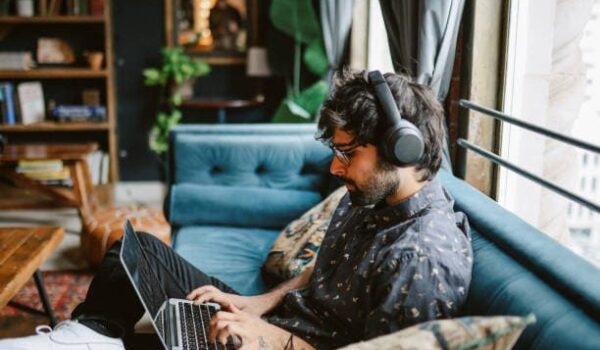
Unshackling Yourself: Prospects and Hurdles in the World of Freelance
In the era of the digital revolution and rapid changes in the global economy, the concept of work is...
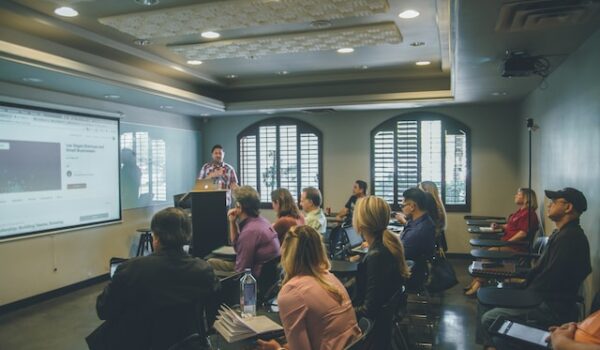
IT-specialists meeting


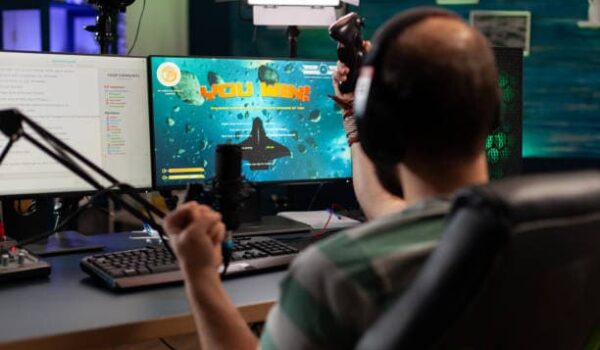
We have developed a bot for it, the functions of which are limitless. This is a game bot, in which we will conduct a quiz and poll participants to find out their preferences.

Pac-Man is an old-school arcade game that was one of the first gamer fixtures to penetrate the realm of popular culture.
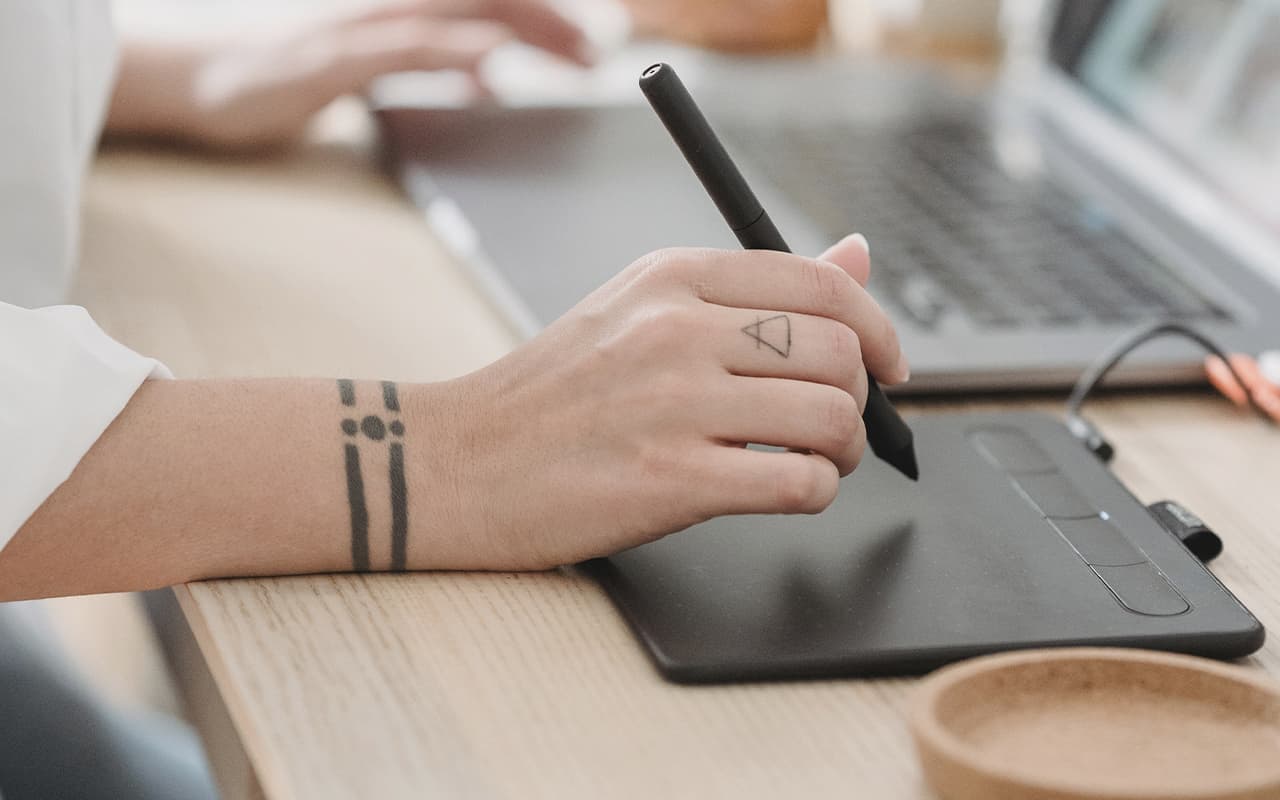
Digital-sketch at the meeting will be as an alternative to the classic area with an artist or caricaturist.
Our meeting will be an unforgettable event that will bring together IT professionals and everyone who is interested in technology and wants to share positive emotions and funny stories.
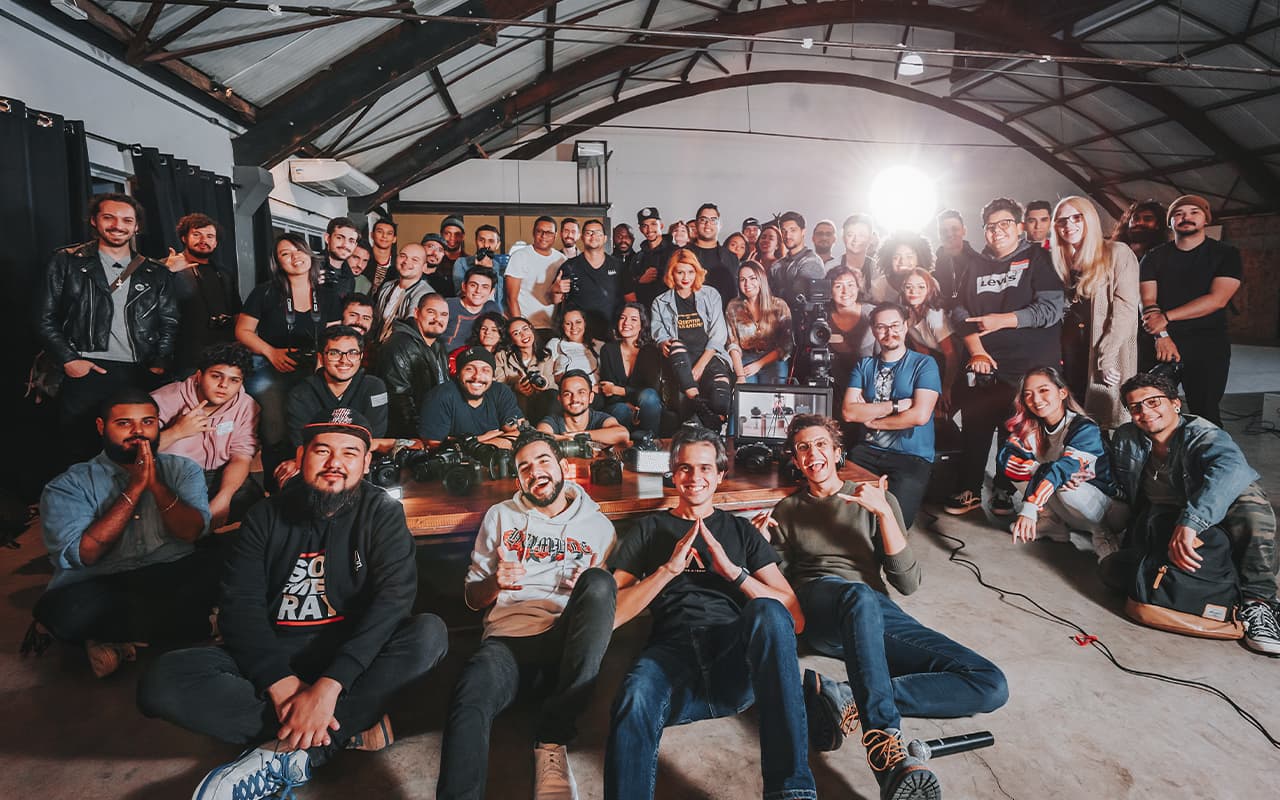













I was simply delighted with this meeting! The organizers prepared an amazing program that allowed us to discuss a variety of topics, from programming and technology to funny stories and entertainment. Thanks to such diversity, I was able not only to expand my knowledge in the IT sphere, but also to get a lot of positive emotions. I will definitely come to the next meeting!

It was an awesome event! I am so glad that I joined this IT meetup. Here I met such interesting and talented people who share my passion for technology. The workshops and discussions were so informative and inspiring. And the funny stories and games just added to the atmosphere of joy and laughter. Thank you so much to the organizers for such a great experience!

Participating in this IT meeting was a real treat for me! I not only discussed current topics in the IT sphere and got answers to my questions, but also met so many interesting and friendly people. How great it was to be able to share funny stories and have such a positive interaction here. The organizers did a great job and the result exceeded all expectations. I'm already looking forward to the next event!